Romans
The Book of Romans is Paul’s urgent appeal for unity, clarity, and covenant integrity among a divided community of Jews and Gentiles. Far from suggesting Yahweh is done with Israel, Paul affirms that God’s promises remain intact (Romans 11), and that Gentile believers are graciously grafted into Israel’s covenant—not as replacements, but as co-heirs. Through a masterful exposition of sin, grace, Torah, and faith, Paul confronts hypocrisy, warns against cultural distortion of worship, and calls all believers to Spirit-led obedience that honors the heart of God’s instructions. Romans is not a rejection of Torah, but a restoration of its purpose through Messiah, who fulfills and empowers its righteous demands in those who walk by the Spirit.
-

Replaced?
Rafael Vila’s commentary on Romans 11 emphasizes Yahweh’s unwavering commitment to Israel, contrasting the dangers of apostasy among both Jewish and Gentile believers. He warns against doctrines that replace Israel with the Church, arguing that salvation and grace are irrevocable promises. All must provoke Israel toward repentance and recognition of Yeshua.
-
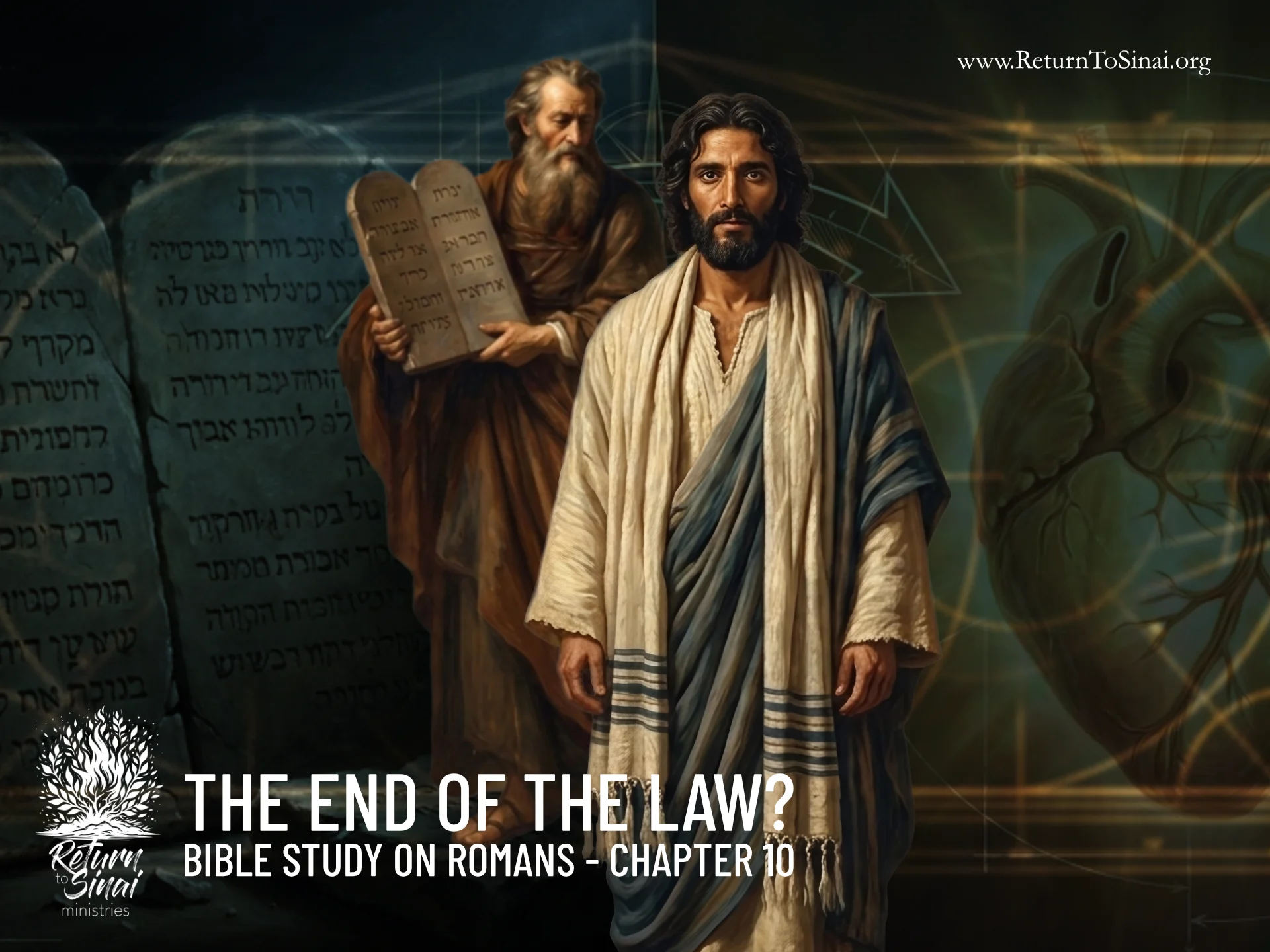
The End of The Law?
Rabbi Saul has been guiding his readers from Chapter 1 to this point to reveal the increasing danger of approaching the Gospel of Yeshua without understanding. As Hosea warns, “My people are destroyed for lack of knowledge.” Ignorance of God’s ways leads to distortion, pride, and ultimately spiritual ruin.
-
Momentary Time of Affliction
This teaching is a detailed Bible commentary focusing on Romans Chapter 9, presenting Paul’s reflections on Israel, faith, and the promises of Yahweh. It explores theological themes such as divine mercy, election, faith versus works, and the role of the Law (Torah) in the life of believers. The commentary emphasizes the continuity between the Hebrew…
-
Therefore
I’m not sure how clearer can Paul be. Yeshua work on the cross, traveling to Sheol and resurrecting in that glorious “First Fruits” first day, brought back the Law of Righteousness and the Spirit to live in us. As Yahweh promised through the prophets He was going to do.
-
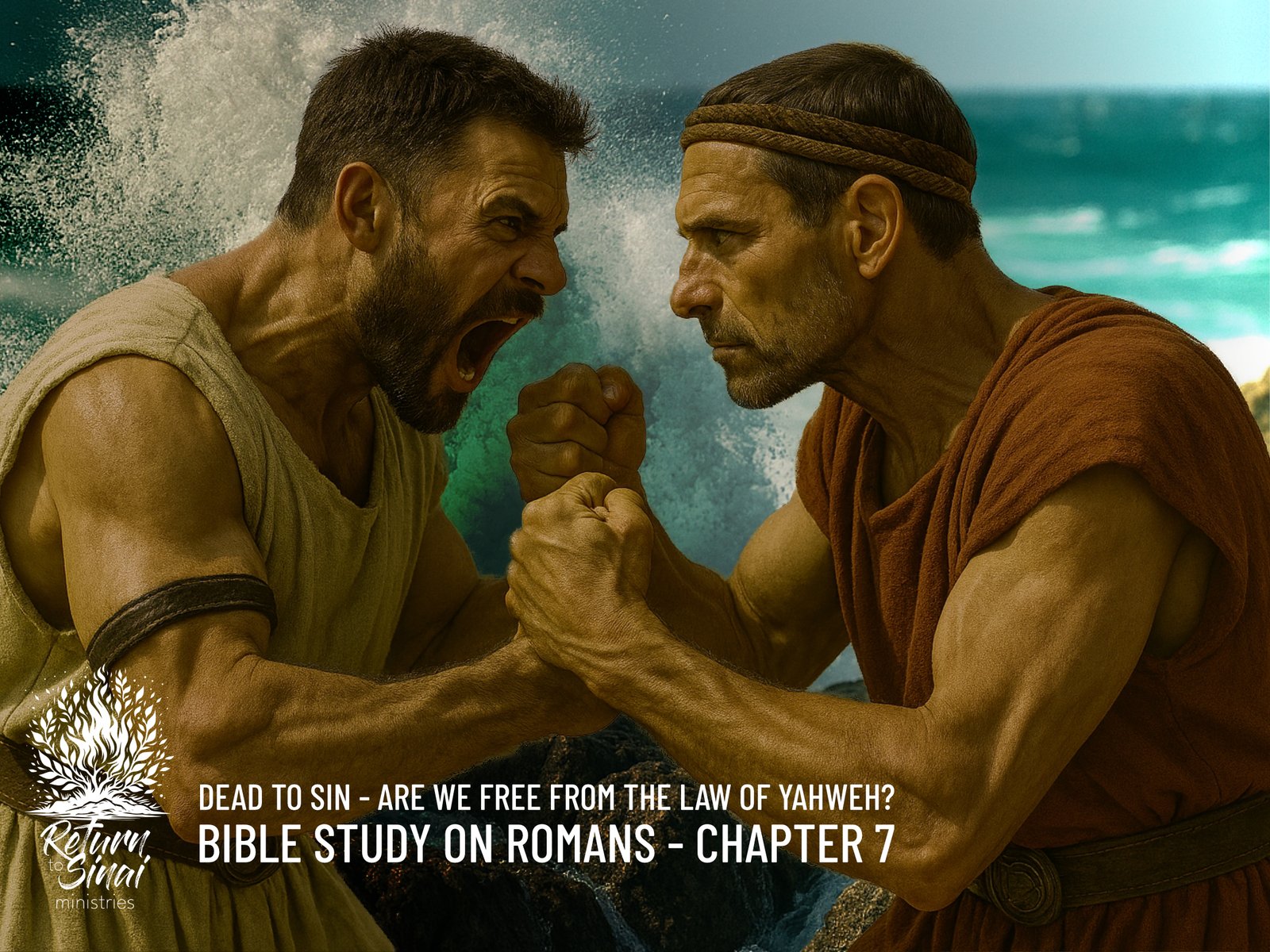
Dead to Sin
We must exercise caution and avoid jumping to that conclusion, as we are not exempt from the Law of Yahweh. However, Paul makes a startling statement, asserting that we have become victims—believing that our oppressor is the Law of Yahweh.
-

The Law of Sin vs The Law of Yahweh
For our disadvantage, throughout centuries we have been presented with the argument that we are no longer required to follow the Law of God, simply because the fathers of Christianity had missed the point about what law Paul is referring to when he speak that we are free from the law.
-
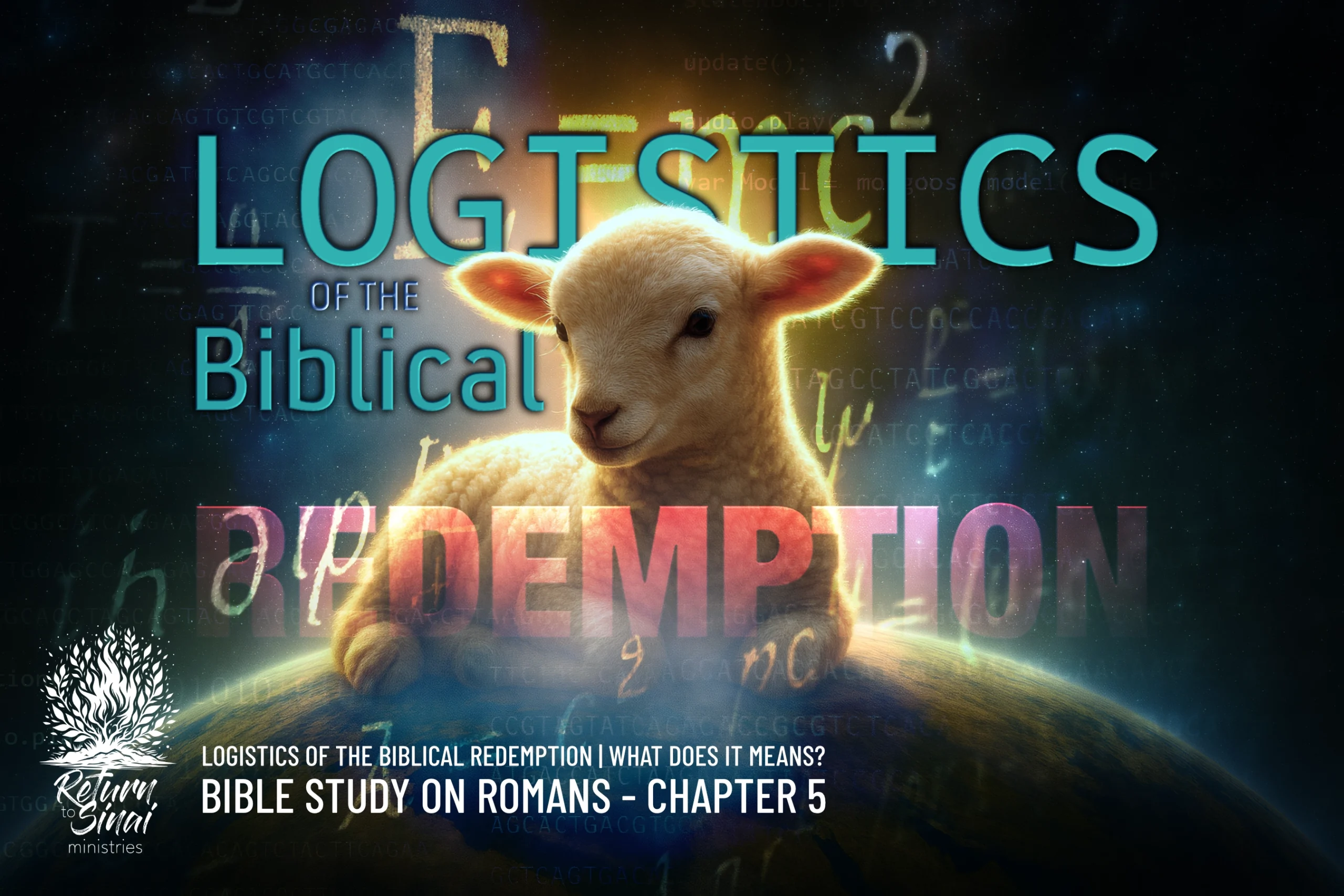
The Logistics of the Biblical Redemption
We have been justified and then reconciled, but what does this mean? To grasp it, we must first understand what redemption truly signifies—not from a modern shopping perspective, but from the viewpoint of the first century.
-
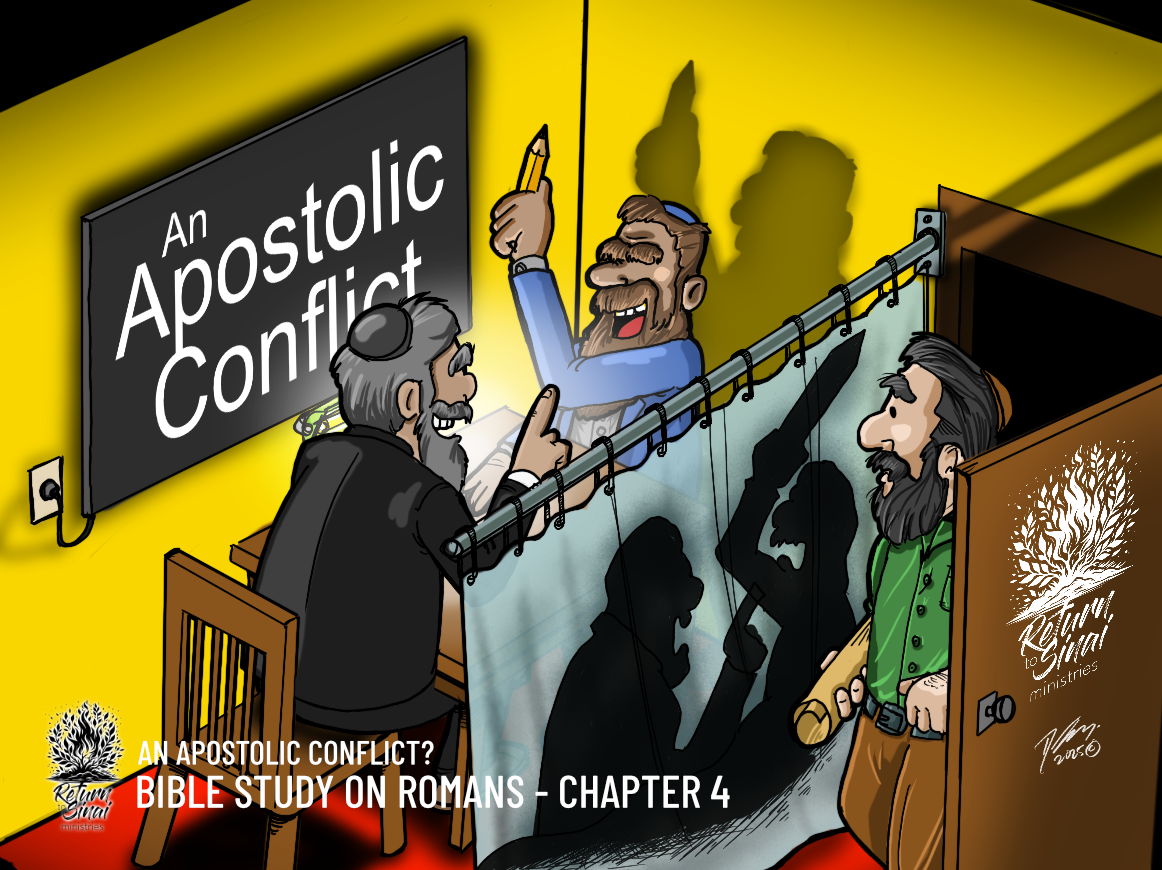
An Apostolic Conflict?
It appears there may be a perceived conflict within the teachings of the New Testament. But is that truly the case? The simplest and most honest answer is both yes and no. #faithAlone #solas #trueFaith #James #Yaacov #Paul #LawOfMoses #Grace #Yeshua #Messiah
-
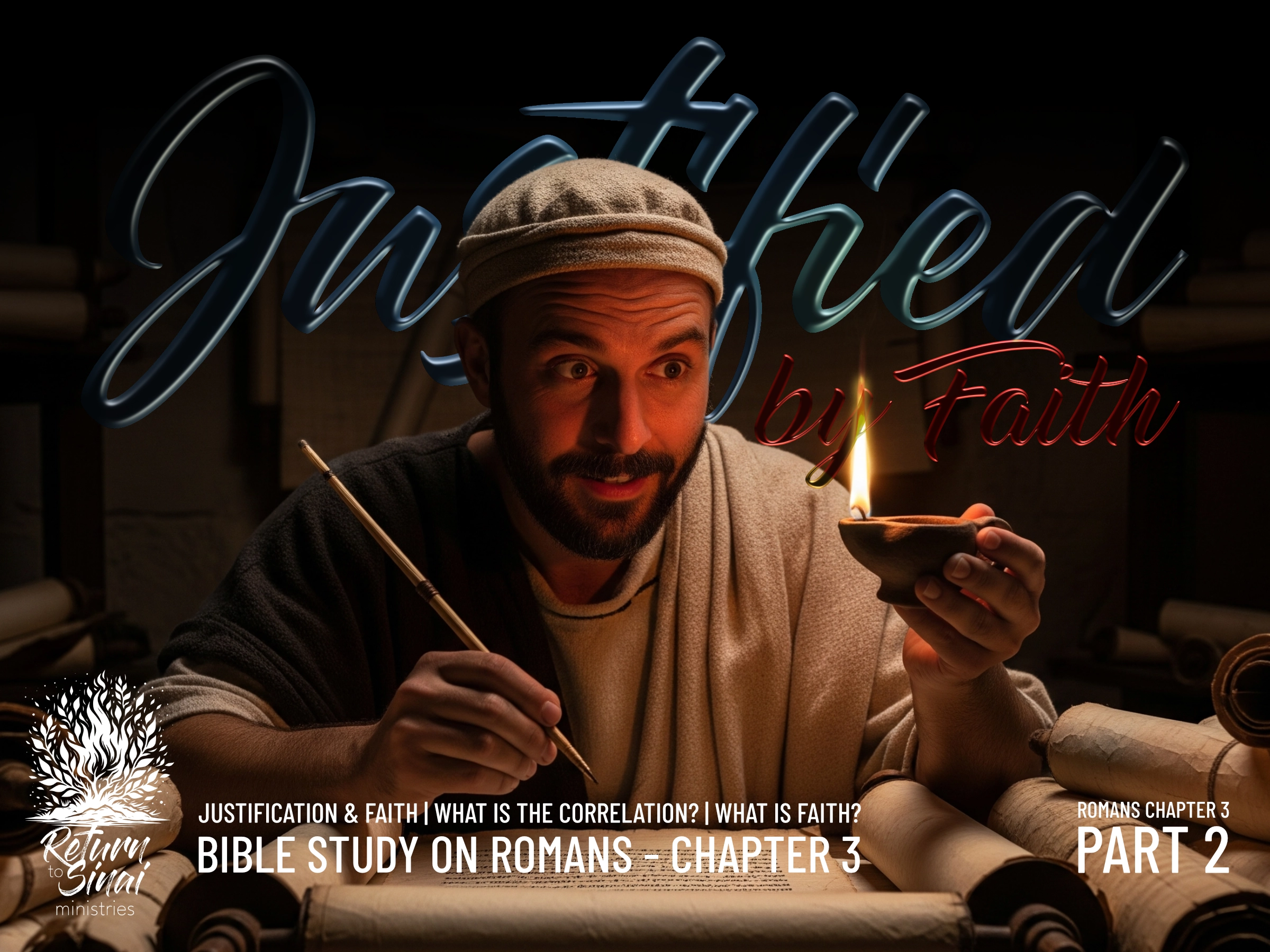
Justification & Faith
We are justified by faith. What does that mean? Does that mean I’m justified even if I don’t want to change? Paul will takes us to a wild ride, so buckle-up, is going to get bumpy. #romans #messianics #christianity #judaism #yeshua #promises #tanakh #britchadasha #thelaw #theprophets #thewritings
-

Eyes to See
A rivalry older than empires—Cain vs. Abel, Isaac vs. Ishmael, Jacob vs. Esau, Joseph vs. his brothers… Jew vs. Gentile. This long arc of tension finds fresh focus in Romans: Paul continues his rebuke—don’t wield Torah as judgment if you’re untransformed by it. Then he pivots, speaking directly to Gentile believers in Rome, inviting them…